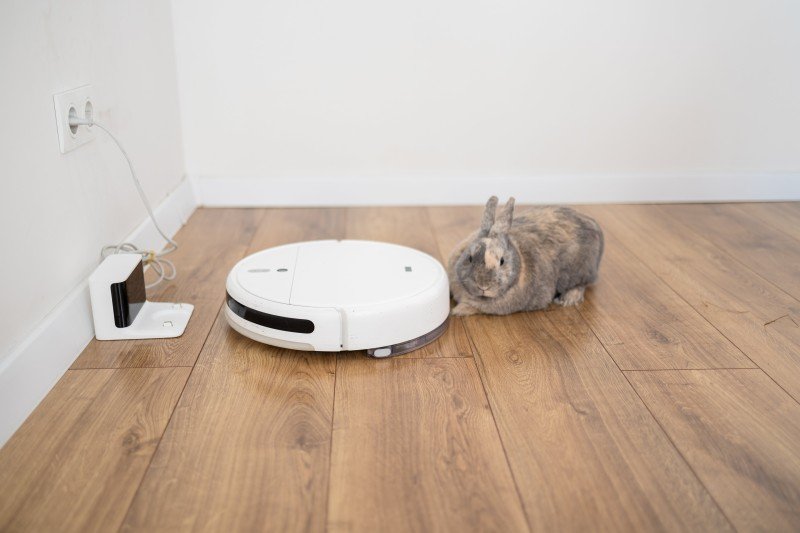
The Rise of Floor Robots: A Comprehensive Guide
In the last few years, the development of floor robotics has actually changed the landscape of home cleaning and maintenance. Equipped with innovative innovation, these smart devices are developed to lessen human effort while maximizing efficiency. This post delves into the different elements of floor robots, including their performance, advantages, types, and considerations for buying one.
Understanding Floor Robots
Floor robots, frequently known as robotic vacuums or floor cleaners, automate the process of cleaning floors in domestic and business spaces. They utilize a mix of sensing units, mapping technology, and expert system to browse, determine dirt, and tidy various types of surface areas. This innovation not only saves time but also improves the effectiveness of cleaning efforts.
How Do Floor Robots Work?
Floor robotics run through a combination of software and hardware elements developed to optimize their cleaning capabilities. Below is a streamlined overview of their operational procedure:
Mapping and Navigation:
- Using Lidar, cams, or infrared sensing units, the robot produces a map of the location.
- It recognizes and avoids obstacles, ensuring efficient navigation.
Cleaning Mechanics:
- Most floor robots are geared up with turning brushes or suction systems to collect debris.
- They can differ their cleaning modes based on the type of surface area (carpet, tile, and so on).
Dirt Detection:
- Advanced models make use of dirt-detection sensing units to identify heavily soiled locations and clean them better.
Self-Charging:
- Once cleaning is complete or the battery runs low, many robotics instantly go back to their charging stations.
App Integration:
- Many floor robots feature mobile applications that allow users to set up cleaning sessions, set cleaning modes, and display development.
Benefits of Using Floor Robots
The popularity of floor robots can be associated to several crucial benefits, consisting of:
- Time-Saving: Users can commit their time to more vital jobs while the robot handles the cleaning.
- Consistency: Robots can follow a regular cleaning schedule, making sure a consistently clean environment.
- Hard-to-Reach Areas: Floor robotics can browse under furnishings and into difficult situations that standard vacuums might have a hard time to reach.
- Decrease of Allergens: Regular cleaning helps decrease dust and allergens, adding to a much healthier home environment.
- User-Friendly: With basic user interfaces and app performance, floor robots are accessible for users of any ages.
Kinds Of Floor Robots
There are numerous types of floor robotics readily available on the market, each designed to accommodate different needs:
| Type of Floor Robot | Description | Best Usage |
|---|---|---|
| Robotic Vacuums | Mostly designed for vacuuming carpets and difficult floors. | Daily cleaning of different surface areas. |
| Robotic Mops | Geared up with a mopping feature for wet cleaning. | Perfect for hard surfaces requiring damp cleaning. |
| Combination Robots | Integrates vacuuming and mopping performances. | Flexible cleaning for a series of surface areas. |
| Specialized Robots | Created for particular jobs (e.g., animal hair elimination). | Houses with animals or specific cleaning needs. |
Factors to consider When Buying a Floor Robot
Purchasing a floor robot includes a number of factors to consider to guarantee that the picked design satisfies the cleaning requirements. Below are some aspects to remember:
Floor Type:
- Consider whether the robot is appropriate for carpets, hardwood, tile, or a mix of floor covering types.
Battery Life:
- Evaluate the robot's battery duration to figure out for how long it can clean before requiring a recharge.
Suction Power:
- Higher suction power is important for effective cleaning, especially on carpets.
Navigation System:
- A sophisticated navigation system adds to effective cleaning patterns and much better challenge avoidance.
Dustbin Capacity:
- Larger dustbins require less regular emptying, which is hassle-free for users.
Smart Features:
- Look for designs with Wi-Fi connectivity, app support, and voice control compatibility for added benefit.
Frequently Asked Questions about Floor Robots
Q1: How much do floor robotics cost?A1: Prices can range from ₤ 200 to over ₤ 1,000, depending on functions and brand name.
Q2: Can floor robotics tidy several floor types?A2: Yes, numerous robotic vacuums are designed to be reliable on both carpets and tough floors. Q3: How frequently should I run my floor robot?A3: For ideal outcomes, it is recommended to schedule day-to-day or bi-weekly cleaning depending on foot traffic and animal presence. Q4: Do floor robotics work well with pet hair?A4: Models specifically developed for family pet owners contain
more powerful suction power and special brushes to successfully remove pet hair. Q5: Can I manage my floor robot remotely?A5: Most modern-day floor robotics include app connectivity, allowing you to control them remotely from your
smartphone. The development of floor robots signifies a significant improvement in home cleaning technology. Combining performance, user-friendliness, and advanced features, these devices provide a glance
into the future of home upkeep. As consumers progressively seek solutions that conserve time and promote tidiness, the floor robot market is poised for continued development and development. With robot cleaner vacuum and mop of alternatives offered, understanding their functions, advantages, and performances can assist users pick the perfect addition to their cleaning regimen.